The Essence of Stoicism in Modern Life
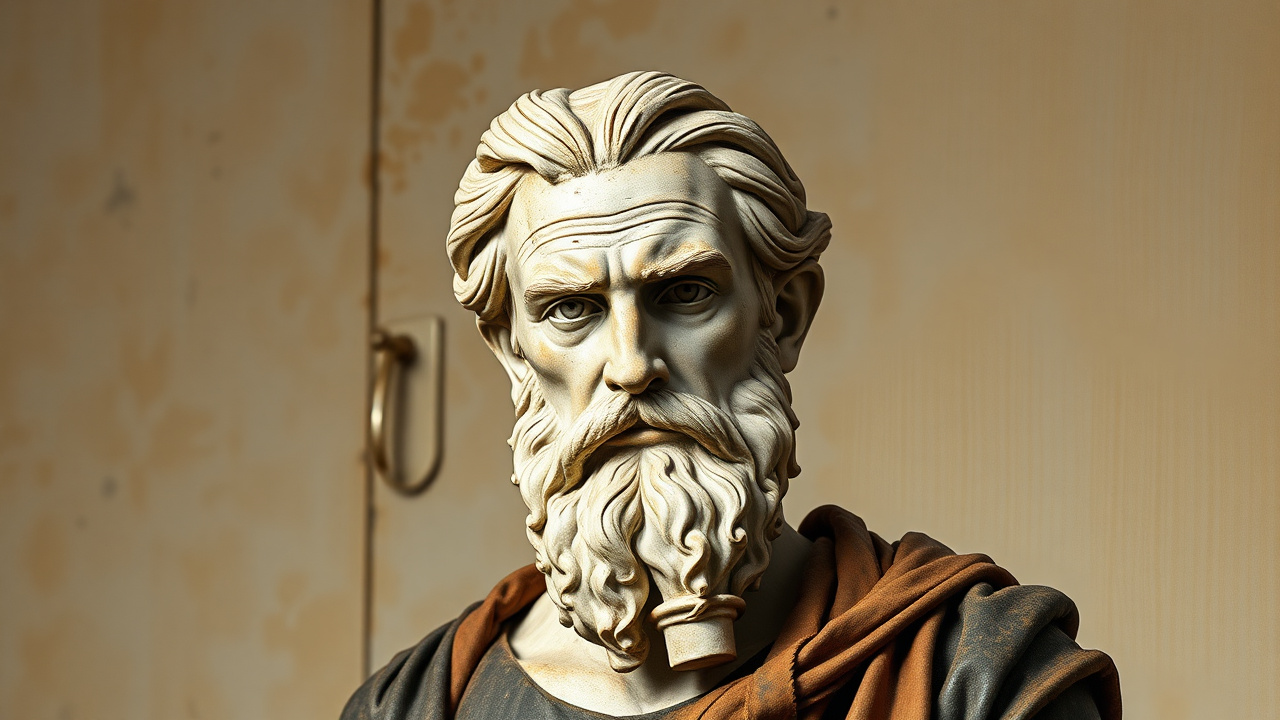
Stoicism, an ancient philosophy that emphasizes rationality and self-control, has significantly increased in popularity among modern audiences. It’s particularly relevant for individuals over 30 who often face the challenges of stress, burnout, and the pressures of daily life. By grounding ourselves in stoic principles, we can cultivate resilience, allowing us to navigate life’s complexities with grace and poise.
Understanding the fundamentals of stoicism, such as focusing on what we can control and accepting what we cannot, provides a mental framework to deal with external stressors. It’s a tool for self-mastery, especially important in today’s fast-paced world where burnout is becoming increasingly common among professionals.
Recognizing Burnout: Signs and Symptoms
Burnout manifests in various forms, including emotional exhaustion, reduced performance, and diminished sense of personal accomplishment. Recognizing these symptoms is the first step toward adopting stoicism as a tool for recovery and prevention. For those over 30, the stakes can be higher, as they may also be juggling career responsibilities with personal and family obligations.
It is essential to acknowledge these signs early on. Ignoring burnout can lead to severe mental and physical health issues. By integrating stoic practices, we can effectively address and mitigate these feelings, promoting a healthier, more balanced lifestyle.
Daily Stoic Practices for Stress Management
Incorporating daily stoic practices can significantly improve stress management. Techniques such as daily reflections, gratitude journaling, and mindful breathing exercises allow individuals to center themselves. These practices ground them in the present, helping to quiet the noise of external pressures.
Additionally, maintaining a stoic mindset encourages the appreciation of small victories every day. This shift in perspective not only alleviates feelings of burnout but also enriches one’s overall quality of life, making it easier to face challenges with calmness and clarity.
The Role of Community and Shared Wisdom
Stoicism thrives in the presence of community. Engaging with others who share a commitment to these principles can reinforce one’s resolve and provide encouragement. Discussion groups or online forums can help individuals exchange experiences and strategies to cope with burnout.
Moreover, tapping into the collective wisdom of historical stoics, through texts and contemporary interpretations, allows individuals to draw inspiration and actionable insights. This shared knowledge can be a potent antidote to feelings of isolation that often accompany burnout.
Long-term Benefits of Embracing Stoicism
The long-term benefits of embracing stoicism extend beyond mere stress management. It fosters a deep sense of self-awareness and encourages personal growth, which is invaluable for individuals over 30. By facing adversity with a stoic lens, they can transform challenges into opportunities for development.
Furthermore, the lessons learned through stoic practice become ingrained behaviors over time, leading to a more decisive and purpose-driven approach to life. This shift not only reduces vulnerability to burnout but also enhances overall life satisfaction.
FAQ
What is Stoicism?
Stoicism is an ancient Greek philosophy that teaches the development of self-control and fortitude as a means to overcome destructive emotions. It encourages individuals to focus on what they can control and accept what they cannot, promoting mental clarity and resilience.
How can I apply Stoicism to my life?
Applying stoicism involves adopting a mindset that prioritizes rationality over emotional reactions. Techniques such as daily reflection, meditation, and practicing gratitude can help individuals incorporate these principles into daily life, leading to improved stress management and wellbeing.
What are the signs of burnout?
Signs of burnout include feelings of exhaustion, cynicism, and reduced efficiency. Individuals may also experience lack of motivation, a sense of hopelessness, and physical symptoms such as headaches or sleep disturbances. Recognizing these signs early is crucial for effective intervention.
Can Stoicism help with burnout recovery?
Yes, stoicism can play a significant role in burnout recovery. By encouraging individuals to focus on their responses to stress rather than the stressors themselves, stoic philosophy can help rebuild mental resilience and promote a healthier response to workplace challenges.
What are some daily Stoic exercises?
Daily Stoic exercises might include journaling about one’s thoughts and feelings, engaging in mindful breathing practices, and reflecting on gratitude. These exercises are designed to promote self-awareness and control over emotions, contributing to long-term mental wellbeing.
Watch the Video:
Leave a Reply